Official Malawian digital ID wallet for smartphone-equipped citizens
Experience Nzika Wallet, by the National Registration Bureau of Malawi, as a government-issued digital identity wallet that lets citizens manage and present official credentials on mobile devices nationwide. The app stores Digital National IDs and vital records, presents verifiable credentials, and integrates biometric checks and photo liveness for identity renewal. Designed for Malawian citizens aged 16 and above, it aims to simplify identity presentation for government and commercial services.
What documents and registry linkage does the app provide?
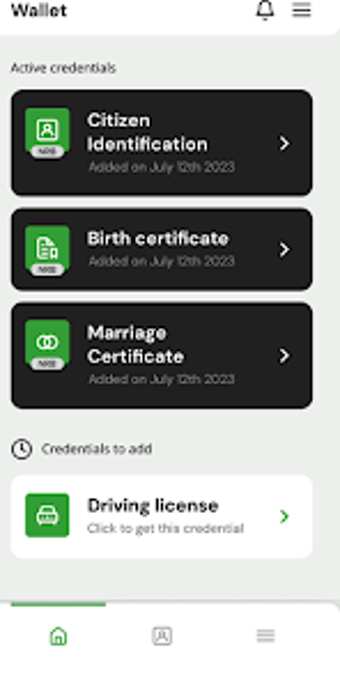
The app stores several government-issued credentials and links them to the national registry for verification. Supported documents include Digital National IDs, Birth Certificates, and Marriage Certificates, with Driving Licenses expected in future updates. Practical benefits include offline presentation via QR codes and registry-backed verification, which lets relying parties confirm credential issuance and status without contacting external databases in real time.
Does the app restrict device compatibility or require extra hardware?
The app is available through mainstream app stores for mobile deployment, but it specifies hardware prerequisites for full capability. Full functionality requires devices with biometric sensors, so phones lacking fingerprint or face sensors will not support biometric authentication and liveness checks. This design choice shifts the technical burden to the device, making modern smartphones the primary supported platform while limiting usability on older handsets.
Is the app designed to protect identity data during verification?
Security features focus on layered authentication and standards-based credentials. The app uses PIN protection alongside biometric authentication and photo-based liveness checks tied to the national registry for identity renewal. It implements verifiable digital credential standards, which helps relying parties validate provenance and prevents simple forgery. These measures create a credentials workflow intended to reduce impersonation risk during online or in-person checks.
Do users need technical knowledge and who benefits most from the app?
The app targets citizens who already use smartphones and who are registered in the national database, including those living abroad. It complements rather than replaces the physical National ID, so citizens without compatible devices must continue using cards. Early adoption saw over 22,000 registrations in the first days, and public discussion highlights access gaps for those without smartphones; no advanced technical knowledge is required for routine presentation tasks.
Best for smartphone users who need an official, standards-based digital ID; accessibility is the main limitation
The app is a practical, government-backed channel for citizens who carry compatible smartphones and need a verifiable, registry-linked digital identity. Its standards-based approach and registry integration make it suitable for formal verification workflows. The single clear drawback is uneven access for people without compatible devices, which keeps the physical ID relevant for those users.